By the Cyber Make team · Last updated October 17, 2026
Halloween is two weeks away, and a 3D printer is one of the fastest ways to fill a shelf, porch or party table with decorations nobody else has. This guide covers the most popular kinds of Halloween prints, how long they take, which filaments work best and how to finish them in time.
Quick answer: The best Halloween 3D prints are skulls, jack-o’-lanterns, spiders, ghosts, witches, gravestones, masks and monsters. Small decorations take 1–6 hours in PLA, so you can still print plenty before October 31. Start with support-free models, use LED tea lights in hollow prints and leave wearable masks for last only if you have several free days.
The best Halloween prints are the ones you can finish, paint and display before the party. Small figures and bowls print overnight. Lanterns and masks take longer, so plan them first.
All the models below are STL files. You download them instantly and print them on your own FDM or resin printer. If you are new to the format, our guide what is an STL file explains it in plain words. Browse everything in one place in the Halloween STL files collection.
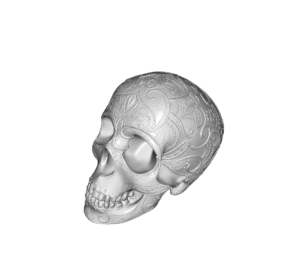
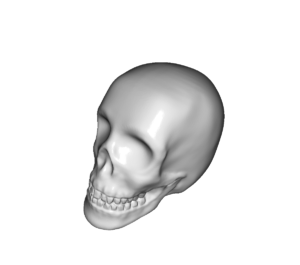
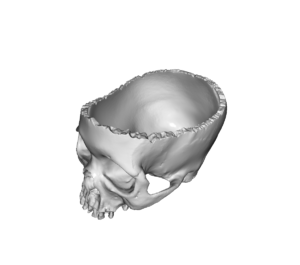
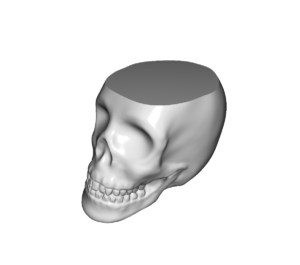
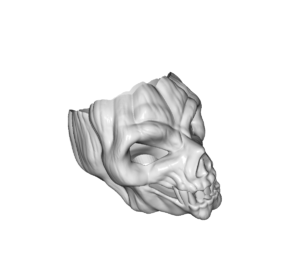
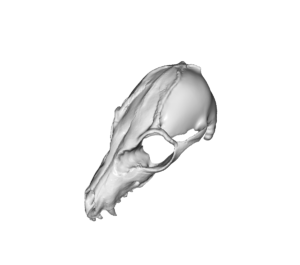
Skulls are the classic Halloween print. They range from small desk skulls to bowls, vases and full skeletons. Most skulls print well upright with supports under the jaw and eye sockets.
A skull bowl or vase is useful after October too, which makes it a good gift. Bone-white PLA plus a dark wash brings out the cracks and teeth. See all the skull STL files.
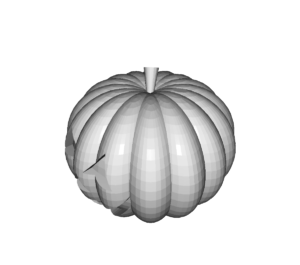
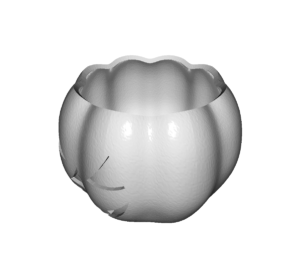
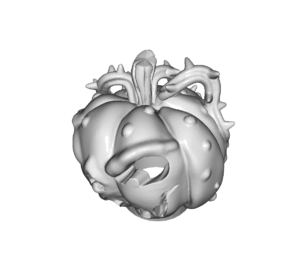
Pumpkins are the most requested Halloween decoration. Print them in orange PLA and you can skip painting entirely. Many pumpkin files come in parts, such as a body, stem and lid, so each piece prints flat with fewer supports.
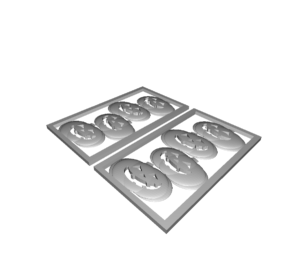
Stacked lantern designs use thin panels with cut-out faces. They look best with a light inside. Find more in the pumpkin and jack-o’-lantern STL files.
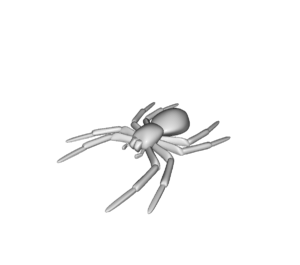
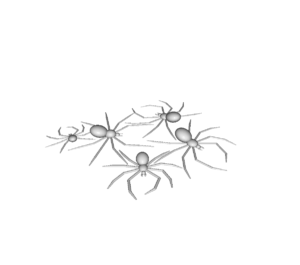
Spiders look fragile, but most print fine if you lay them flat and add supports under the body. The thin legs are the weak spot. Use three or more walls and slow the print down for the legs.
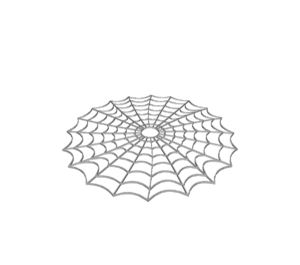
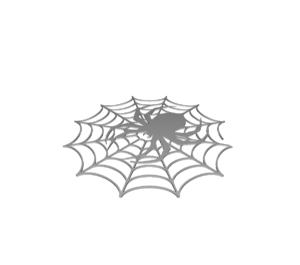
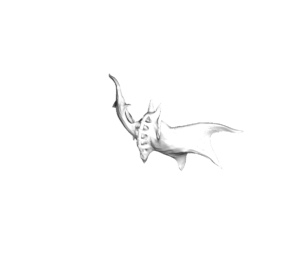
Door and wall spiders with a web are great for windows and front doors. Black PLA works, but a dark gray shows more detail in photos. See the full range of spider and bat STL files.
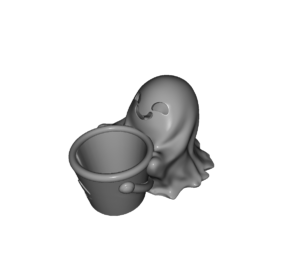
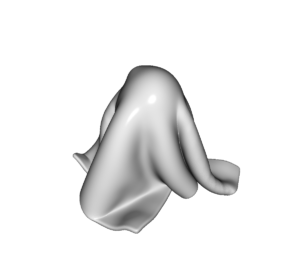
Ghosts are rounded and simple, so many of them print with no supports at all. That makes them one of the best choices for last-minute printing and for kids’ projects.
Print ghosts in white PLA or glow-in-the-dark filament. A ghost planter or candy holder is a fun table piece for a party. Browse all ghost STL files.
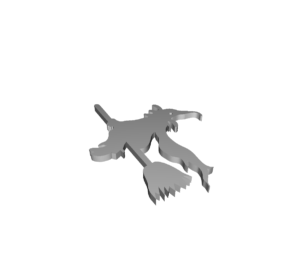
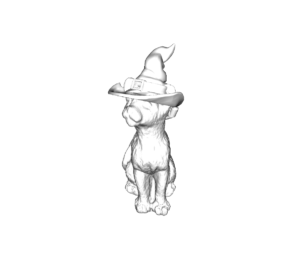
Witch models include figures on brooms, witch hats, black cats and cauldrons. Figures with brooms and hat brims have overhangs, so expect to use supports.
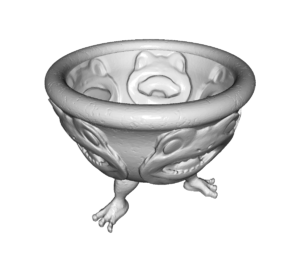
A cauldron printed in black PLA makes a good candy bowl. Fill it with wrapped candy only, since most filaments are not food safe. Find more in the witch STL files.
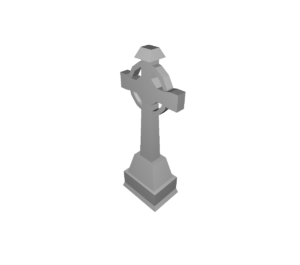
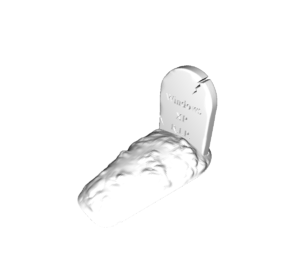
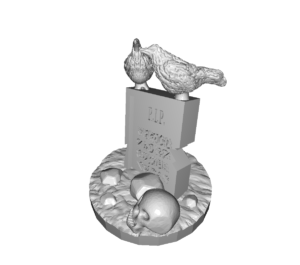
Gravestones are flat, quick and easy. Print them standing up or lying on their back, with no supports in most cases. A row of four or five makes a small graveyard for a mantel or a tabletop scene.
Gray PLA plus a quick dry-brush of lighter gray makes them look like weathered stone. Dirt mound parts add depth in front of each stone. See all gravestone STL files.
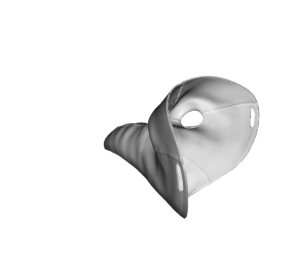
Yes, but masks are the biggest Halloween project. A wearable mask is large, takes many hours and often comes split into parts for smaller print beds. You also need to plan for fit, straps and safe vision.
If you want one for October 31, start this weekend. Our step-by-step guide on how to 3D print a wearable Halloween mask covers scaling, splitting and comfort. Browse the mask STL files.
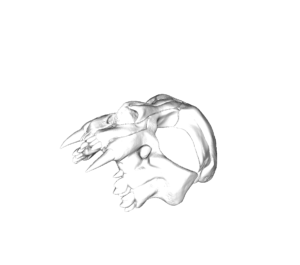
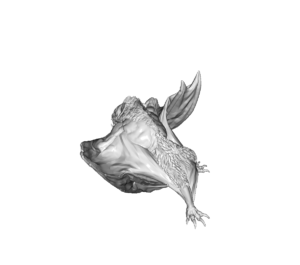
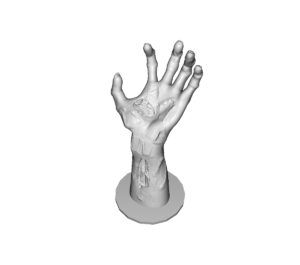
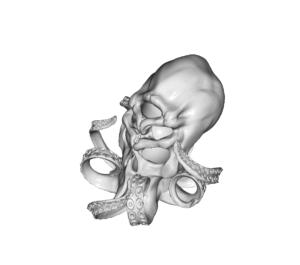
Monster prints include zombie hands, vampire bats and creature figures. A zombie hand reaching out of a planter or a pot of soil is a simple, eye-catching effect.
Creature figures with wings need careful support placement. Print them slowly and remove supports with flush cutters. See all the monster STL files.
Print time depends on model size, layer height, infill, printer speed and how many parts there are. The table below shows typical ranges for a common FDM printer with a 0.4 mm nozzle and 0.2 mm layers. Treat them as rough guides, not promises. Your slicer gives the real number for your file and settings.
| Print type | Typical size | Typical print time | Difficulty | Suggested filament |
|---|---|---|---|---|
| Small skull or desk skull | 5–10 cm | 1–5 hours | Easy to medium | White or bone PLA |
| Skull bowl or vase | 10–15 cm | 4–12 hours | Medium | PLA or silk PLA |
| Pumpkin or jack-o’-lantern | 8–15 cm | 3–12 hours | Easy to medium | Orange PLA, translucent PLA for lanterns |
| Spider or bat | 5–15 cm | 1–4 hours | Medium (thin legs and wings) | Black or dark gray PLA |
| Ghost | 6–12 cm | 1–6 hours | Easy | White or glow-in-the-dark PLA |
| Witch figure or cauldron | 8–15 cm | 3–10 hours | Medium (supports) | PLA, painted |
| Gravestone | 5–12 cm | 1–3 hours | Easy | Gray PLA |
| Wearable mask | Full face | 12–40+ hours, often in parts | Hard | PLA or PETG |
| Monster figure | 8–20 cm | 3–15 hours | Medium to hard | PLA or resin |
Resin printers work differently. A full build plate takes about the same time as one model, because print time depends on height, not on how many parts are on the plate.
It is mid-October, so time is the main limit. Every STL file on Cyber Make is an instant digital download, so there is no shipping wait. The real wait is printing, painting and drying.
If you are printing for the first time, read our beginner guide on how to 3D print an STL file before you start.
Plain PLA is the easiest choice for almost every Halloween decoration. It prints at low temperatures, sticks well to the bed and comes in every color you need: orange, black, white, gray and purple.
Glow-in-the-dark filament is great for ghosts, skulls and spiderwebs. It charges under light and glows for a while in a dark room. The glow fades over time, so place prints near a lamp or charge them with a flashlight before guests arrive.
Glow filament contains particles that wear down brass nozzles faster than plain PLA. If you plan to print a lot of it, use a hardened steel nozzle. Thicker walls also make the glow brighter.
Silk PLA has a shiny, metallic look. Silk gold, copper or bronze makes skulls and pumpkins look like cast metal with no painting. Silk filament usually has weaker layer bonding than regular PLA, so use it for display pieces, not parts that take stress.
Translucent or “natural” PLA lets light glow through the walls. It works well for lantern panels and hollow pumpkins. Thin walls of two or three perimeters let through the most light.
Painting turns a plain print into a finished decoration. You do not need an airbrush. Basic acrylic craft paint and a few brushes are enough.
Wear a dust mask when sanding and spray primer outdoors or in a well-ventilated room.
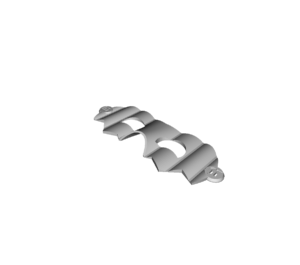
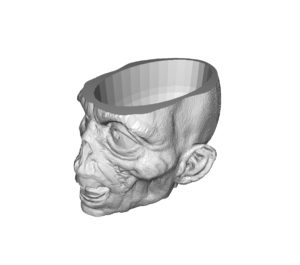
Hollow prints with openings look great with a light inside. A few models in the catalog are made for this. The hollow skull tea light model takes a standard tea light. The LED Head is a spiky pumpkin-style head lit from the inside, and the LED Body has hollow sections for small LEDs. The candy ghost LED model has space for an LED, and the stacked pumpkin and bat lanterns are built as lanterns.
Check the size of your LED before you print. Measure the tea light and compare it to the opening in your slicer, then scale the model up a little if needed.
No. Use battery LED tea lights, never real flames. PLA starts to soften at around 60 °C, and a real tea light flame is far hotter. A candle can warp, melt or even ignite a plastic print. This also applies to models labeled as candle holders, such as skeleton candleholders.
LED tea lights stay cool, last for hours and are safe around kids and pets. Keep spare batteries handy for Halloween night.
Yes. Small decorations like ghosts, spiders and gravestones take 1–6 hours each. Start any wearable masks or large lanterns first, then print small pieces in the gaps. Leave two to three days at the end for painting.
No. An FDM printer with PLA handles almost all Halloween decorations. Resin gives finer detail on small figures and miniatures, but it needs gloves, ventilation, washing and curing.
Gravestones and simple ghosts are the easiest. They are small, mostly flat or rounded, and often print without supports. They also look good with no painting at all.
Only for wrapped candy. Layer lines can trap bacteria, and most filaments and paints are not certified food safe. Use a food-safe liner or keep treats in their wrappers.
Some are. Free files vary a lot in quality and may lack print notes. Paid files are often described and grouped in one place, which saves search time when you are short on days. Either way, check the photos and print a small test first.